The Sharing Economy: Definition, Global Impact, and Opportunities for Nepal
The world economy is going through a significant transformation from traditional ownership models to innovative systems of collaborative consumption. This shift is known as the Sharing Economy which is reshaping how people access goods and services, making it more efficient, sustainable and accessible.
As Nepal moves forward, incorporating the Sharing Economy is not just an opportunity but also necessary to keep in pace with global trends and open new economic potential.
What is the Sharing Economy?
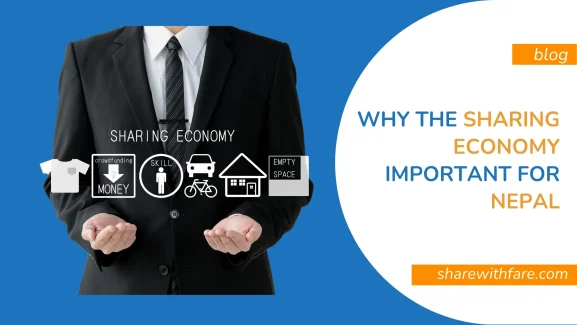
The sharing economy is a peer-to-peer (P2P) economic model that facilitates the acquisition, provision or sharing of access to goods and services, mainly through online platforms. Unlike traditional business models, the sharing economy allows individuals and groups to monetize underused assets like vehicles, tools, items like camera, drone, or even spare rooms by renting them out to others for short periods. This model is also known as collaborative economy or peer economy.
Key Features of Sharing Economy
- Short-term, peer-to-peer transactions
- Utilization of idle assets (e.g. parked cars, unused equipment like camera, drone)
- Online platforms connecting asset owners with users
- Emphasis on access over ownership
Why is the Sharing Economy Important?
The Sharing Economy offers several benefits:
Economic Efficiency
By maximizing the use of existing assets, it increases productivity and efficiency and reduces wastes.
Cost Savings
Users can have access to goods and services at lower prices compared to traditional ownership or rental models.
Income Generation
Assets owners can create new extra income sources from resources that would otherwise remain unused.
Environmental Sustainability
By promoting reuse and reducing the need for new production, the sharing economy helps to lower the ecological footprint.
Community Building
It strengthens trust and collaboration within communities encouraging mutual benefits.
Global Impact and Market Data
The sharing economy has grown exponentially over the past decade. Key data points include:
- In 2023, the global sharing economy market was valued at approximately $287.9 billion
- The global sharing economy market is expected to soar to $1.4 Trillion by 2030, maintaining a robust compound annual growth rate (CAGR) of 25.1%. (source: businesswire.com)
- Major segments driving this growth include shared transportation, accommodations, financial services, and consumer goods.
This rapid expansion is fueled by technological advancement, urbanization, changing consumer preferences (favoring access over ownership), economic pressures and increased environmental awareness. Younger generations are leading the shift towards sharing-based solutions.
Examples of Sharing Economy Platforms Worldwide
The sharing economy covers multiple sectors with following examples:
- Transportation: Uber, Lyft, Zipcar, BlaBlaCar (car and ride-sharing)
- Accommodation: Airbnb, HomeExchange (short-term home and room rentals)
- Consumer Goods: eBay, Rent the Runway (peer-to-peer sales and rentals)
- Services: TaskRabbit, Upwork (freelance and task-based platforms)
- Other Sectors: JustPark (parking space rental), WeWork (co-working spaces), Boatsetter (boat rentals), Rover (pet care)
These platforms have transformed how people work, travel and consume making it easier to access resources and services on demand.
The Sharing Economy in Nepal: Current Landscape
Nepal is witnessing the early stages of the Sharing Economy, mainly through ride-sharing and delivery platforms. Some of the examples are as follows:
- Pathao and InDrive: Pathao and Indrive are ride-sharing platforms. These platforms allow motorcycle and car owners to offer rides to passengers. This addresses the gap in public transportation and provides flexible income opportunities.
- Foodmandu: Foodmandu is an online food delivery service connecting customers with restaurants in Kathmandu
The gig and sharing economy in Nepal is growing particularly among millennials and Gen-Z who look for multiple income sources and value flexibility.
Share with Fare is also one of the growing sharing platforms in Nepal where owners can list their items like cars, two-wheelers, heavy equipment, trekking gears etc and users can book these items for a certain period of time.
How Share with Fare Can Contribute to Nepal’s Economy
1. Maximizing Asset Utilization
Share with Fare (sharewithfare.com) enables owners to rent out their under utilized items , allowing them to generate income from the assets that would otherwise remain idle. This increases overall economic productivity and helps individuals and businesses unlock new revenue streams.
2. Promoting Sustainable Consumption
By facilitating the sharing and reuse of goods, Share with Fare reduces the need for new purchases, supporting environmental sustainability and responsible consumption.
3. Supporting Local Entrepreneurs
Share with Fare empowers local asset owners from vehicle owners to rental services companies to participate in the digital economy , supporting entrepreneurship and self-employment.
4. Enhancing Accessibility and Affordability
Users gain affordable access to a wide range of items and services without the financial burden of ownership.
5. Driving Economic Growth
As the sharing economy grows, it can contribute to job creation, increased economic activity and development of new business models tailored to Nepal’s unique needs.
Conclusion
The Sharing Economy isn’t just the global trend, it is a powerful economic force that is reshaping the industries and creating new opportunities for the individuals and communities. By incorporating the Sharing Economy, Nepal can uplift its economy, foster innovation and build a more sustainable and inclusive future for all.
“Join the movement. Share more, own less and help to build a smarter and more connected Nepal. “