The Power of Sharing: Why the Sharing Economy Important for Nepal
In a world where technology and community driven innovation are constantly evolving, the graph of the sharing economy is continuously upgoing. It is transforming the way we live, work and connect. For countries like Nepal where resources can be limited and access is unevenly distributed, the sharing economy presents a uniquely powerful opportunity to unlock potential, reduce waste and build a more sustainable and inclusive future.
What is the Sharing Economy?
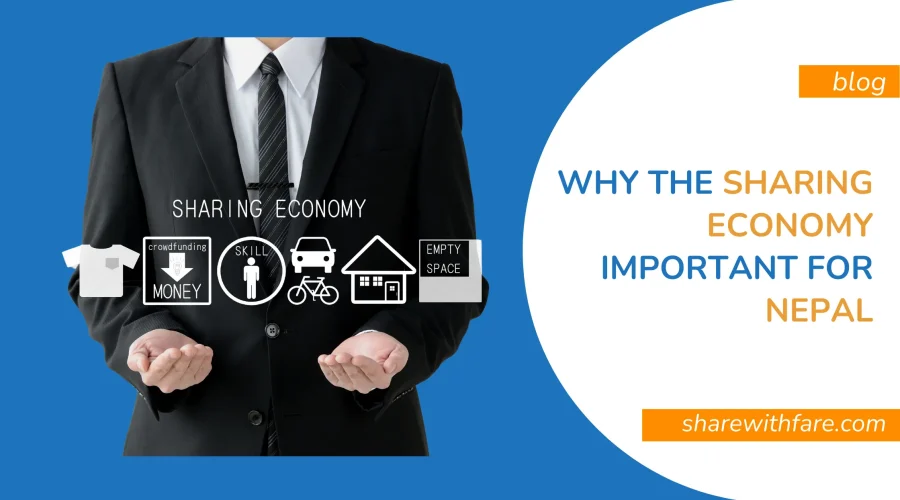
Sharing economy is all about access over ownership. It enables individuals to rent, lend or share underutilized assets like cars, bikes, heavy equipment, machineries, tools, electronic devices etc. generally through digital platforms. The idea is simple but revolutionary. Instead of valuable resources going unused, we can share them with others in our community who need them.
Global platforms like Airbnb, Uber have brought this model into the mainstream but in our country like Nepal, the potential is even more profound. The sharing economy isn’t just about convenience, it’s about economic empowerment, environmental sustainability and social equity.
Why does Nepal need a strong sharing economy?
Nepal has a diverse geography. Many rural communities still lack proper infrastructures and access to basic services. Youth unemployment is high and small businesses often struggle to compete with larger companies due to lack of capital and tools.
This is where the sharing economy can make greater impact here:
1. Boosting Access to Resources
Not everyone in Nepal can afford a car, a bike etc. But through Sharing Platforms, they don’t have to own these items. They can access what they need when they need it, at a fraction of cost. This enhances the access to mobility and productivity tools helping more people participate in the economy.
2. Creating New Income Streams
A car owner in Kathmandu might only use their car a few hours a day. A small construction business might only need an excavator for a short project. Rather than letting these assets sit idle, individuals and businesses can rent them out for extra income. In our country where job opportunities can be limited, especially for youth, the sharing economy offers a path to financial independence.
3. Reducing Environmental Impact
Buying less means less manufacturing, fewer emissions and reduced waste. When we share, it reduces the overall demand for production, encouraging a more sustainable and circular economy. This is very important for environmentally sensitive regions like the Himalayas.
Here: Share with Fare- Nepal’s Own Sharing Platform
This is where our platform Share with Fare comes into picture. As Nepal’s first full-fledged sharing marketplace, we are making it easy for people to list and rent vehicles, bikes, scooters, heavy equipment, trekking kits, and more – all from one trusted platform.
We believe sharing should be simple, safe and rewarding. That’s why Share with Fare is designed with both owners and renters in mind:
- For owners, we offer an easy way to list underutilized items and generate passive income. Where you have a private vehicle you rarely use or construction tools collecting dust, you can transform them into revenue-generating assets with just a few clicks.
- For renters, we provide verified listings, transparent pricing and an easy booking process. Whether you need a car for a day to finish your work in Kathmandu or you are a tourist and need a bike in Pokhara or needing an excavator for your construction project for some days, Share with Fare connects you with affordable and flexible options.
We are not just building a platform, we are building a community based on trust, collaboration and mutual benefit. Every transaction helps someone save money, earn money or reduce environmental impact. And that ripple effect can add up to real change.
A More Connected and Efficient Future Nepal
The global trend towards Sharing is just beginning, and Nepal has the opportunity to benefit from it by embracing early.
At Share with Fare, we are proud to be a part of that vision. We see a Nepal where ownership is optional, access is universal, and resources are utilized more intelligently.
The path forward is collaborative. And it starts with one simple question: What are you not using today that someone else might need?